


Key Takeaways
- Eye pain when moving your eyes can feel achy, sharp, or burning, and it may affect one or both eyes.
- Common causes range from screen strain and sinus pressure to infections, injury, and migraines.
- Sudden vision changes, severe light sensitivity, or thick discharge call for prompt attention.
- Rest, compresses, and a break from contacts can ease mild discomfort at home.
- A checkup with an eye doctor in South Edmonton can pinpoint the cause and guide treatment.
You reach for your phone, glance at a bright window, or roll your eyes at a bad joke, and suddenly there’s a jab of pain. It catches you off guard because eye movement isn’t something you think about until it hurts. Our team at Total Focus Optometry hears about this discomfort often, and knowing what’s behind it makes it easier to decide on next steps.
A comprehensive eye exam can identify what’s happening when the pain doesn’t settle on its own. Pain when you move your eyes usually points to strain, irritation, or inflammation somewhere in or around the eye, and most cases improve with rest, home care, or a visit to your eye doctor.
How to Recognize Pain When Moving Your Eyes
The sensation varies from person to person, and describing it helps your eye doctor narrow down the cause:
- An aching, sharp, or burning sensation that shows up with certain movements
- Pain in one eye or both eyes at the same time
- Discomfort that gets worse with movement or exposure to light
Common Causes Behind Eye Pain with Movement
Eye Strain and Sinus Issues
Long hours in front of a screen can leave your eye muscles tired, and that fatigue often shows up as soreness when you look side to side. Digital eye strain can linger longer than expected if screen habits don’t change. Sinus infections add pressure near the muscles that control eye movement, which can make even small shifts in gaze feel uncomfortable.
Infections and Inflammation
Conjunctivitis, also known as pink eye, brings redness and irritation that can flare up with movement. Blepharitis and styes cause swelling along the eyelid that pulls uncomfortably as the eye shifts. Optic neuritis and iritis involve deeper inflammation and tend to bring sharper pain, especially with light exposure.
Injury and Other Factors
A scratch on the cornea, even a small one, can make every blink and movement sting. Contact lenses that fit poorly or sit too long can irritate the surface of the eye in a similar way. Migraines and cluster headaches often bring eye pain along with them, particularly on the side where the headache sits.
Signs You Shouldn’t Ignore
Some symptoms point to something that needs attention sooner rather than later, including:
- Sudden vision changes or vision loss
- Severe sensitivity to light
- Redness paired with thick discharge
If any of these show up alongside your eye pain, reach out to your eye doctor rather than waiting to see if it passes on its own. Some cases of sudden vision changes need same-day evaluation.
How to Ease Eye Pain at Home
Mild discomfort from strain or minor irritation often responds well to simple care. For mild discomfort, try to:
- Rest your eyes and limit screen use for a few hours
- Apply a warm or cold compress, depending on what feels soothing
- Switch to glasses instead of contacts for a day or two to let your eyes recover
These steps can reduce discomfort from everyday strain, though they won’t address pain caused by infection or injury.
When to See an Eye Doctor
If home care doesn’t ease the pain within a day or two, or if the pain came on suddenly and feels severe, it’s time to book a visit.
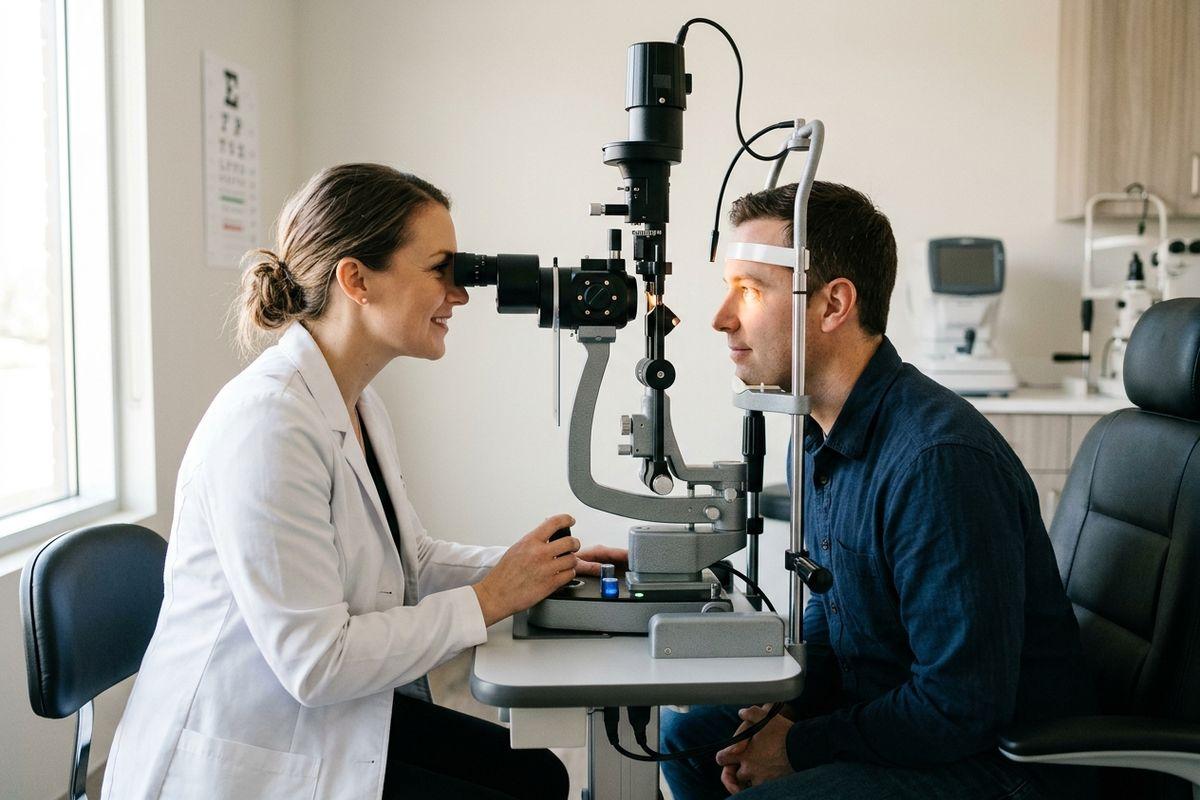
Your eye doctor can check your vision and measure your eye pressure to rule out conditions like glaucoma. A closer look at the structure of your eye, including the cornea and optic nerve, helps identify inflammation, injury, or infection that might explain the pain.
Treatment Options Available
Depending on what your eye doctor finds, your treatment plan may include:
- Prescription eye drops or medication to manage infection or inflammation
- An updated glasses prescription if uncorrected vision is adding strain
- A referral to specialized care when the cause needs further evaluation
We Can Help
Eye pain when moving your eyes usually has a clear explanation, and getting it checked helps you feel like yourself again. Total Focus Optometry welcomes families, children, adults, and seniors looking for personalized attention to their eye health. Book an appointment today to get answers and a plan that fits your needs.