
Key Takeaways
- Double vision means you see two images of one object, and it can affect one eye or both.
- Everyday reasons include astigmatism, dry eyes, cataracts, and eye muscle trouble.
- Health conditions like diabetes, migraines, and myasthenia gravis can change how you see.
- Sudden double vision with a headache, drooping eyelid, or trouble speaking needs quick attention.
- An eye doctor in South Edmonton can check your eyes and help you find the reason.
You reach for your coffee mug and see two of them sitting on the table. That’s double vision, and it can feel unsettling the first time it happens.
Double vision occurs when you see two images of a single object, and while some causes are minor and short-lived, others may indicate a health change that warrants closer attention.
Sometimes double vision shows up in just one eye, even when you cover the other. Other times it only appears when both eyes are open, which often points to an alignment problem. It can also come and go in a few minutes, or it can stick around for days. At Total Focus Optometry, our team can use these details to figure out what’s going on.
Everyday Eye Problems Behind Double Vision
Many reasons for double vision start with the parts of your eye that focus light. These are common and often treatable.
Cornea and Lens Issues
Astigmatism changes the shape of your cornea, so light bends unevenly, and images look doubled or smeared. Dry eye can do something similar. When your tear film breaks up, the surface of your eye gets rough and your vision blurs or splits.
Cataracts form as the lens inside your eye clouds over with age. That cloudiness scatters light and can leave you seeing ghost images, especially at night when headlights streak across your view.
Eye Muscle and Alignment Trouble
Six small muscles move each eye. When they don’t work together, your eyes point in slightly different directions, a condition called strabismus. Your brain then receives two pictures instead of one.
Thyroid problems can also strain these muscles. Swelling behind the eye can push things out of alignment, and you might notice double vision along with a gritty, pressured feeling.
Health Conditions That Can Affect Your Vision
Sometimes double vision starts somewhere other than the eye itself. Your eyes rely on nerves and blood flow, so a change in your overall health can show up in how you see.
Diabetes can affect the nerves that steer your eye muscles, leading to double vision that may last a few weeks. Migraine headaches sometimes bring visual changes before or during the pain, including doubled or shimmering images. Autoimmune conditions like myasthenia gravis weaken muscles throughout the day, so your vision might look fine in the morning and double by evening.
These links are why a routine eye exam is so important, as they can reveal more than the state of your vision. Your eyes often give early hints about the rest of your body.
Warning Signs and When to Be Concerned
Most double vision is not an emergency. Still, a few patterns call for quick care because they can point to something serious.
Red Flags to Watch For
Pay attention if double vision comes on suddenly, especially when accompanied by these signs:
- A sudden, severe headache paired with double vision
- A drooping eyelid or noticeable weakness on one side
- Dizziness or trouble speaking clearly
Signs Linked to the Brain or Nerves
Some symptoms suggest the nerves or brain are involved. Watch for vision loss, sudden blurriness, balance problems, or numbness in your face or limbs.
When these appear together with double vision, treat it as urgent and get help right away.
How Your Eye Doctor in South Edmonton Can Help
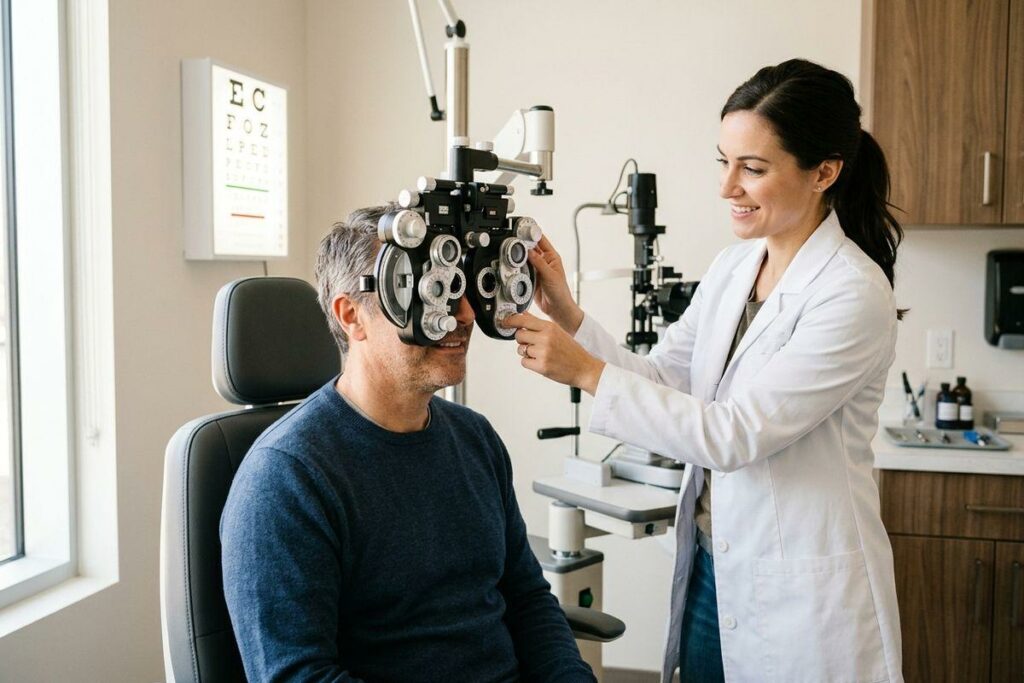
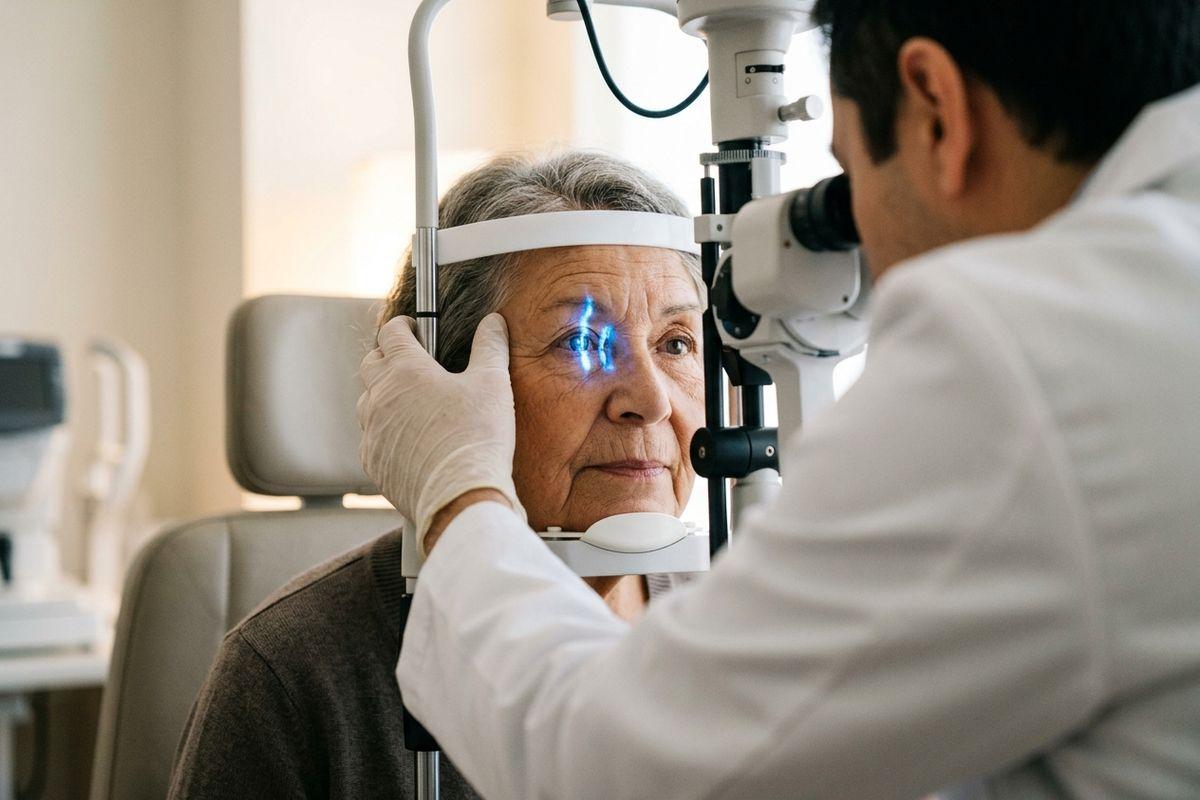
You don’t have to sort through these reasons alone. A comprehensive eye exam checks how your eyes focus, how they move, and how they work together, which helps narrow down what’s behind the double images.
Regular visits can catch changes like cataracts or alignment shifts early, so you and your family stay ahead of problems instead of reacting to them. You also get time to ask questions and understand what your results mean.
At Total Focus Optometry, our team pairs careful attention with a warm, welcoming approach for the whole family. Book your eye exam today and let our team help you see clearly and comfortably.