

Key Takeaways
- Dry eyes happen when your eyes make too few tears or your tears dry up fast.
- Artificial tears, oil-based drops, and gels each suit a different kind of dryness.
- Preservative-free drops are a gentler choice if you use drops often.
- Prescription drops like Restasis can help with ongoing dry eyes.
- An eye doctor in South Edmonton can help you choose drops that fit your eyes.
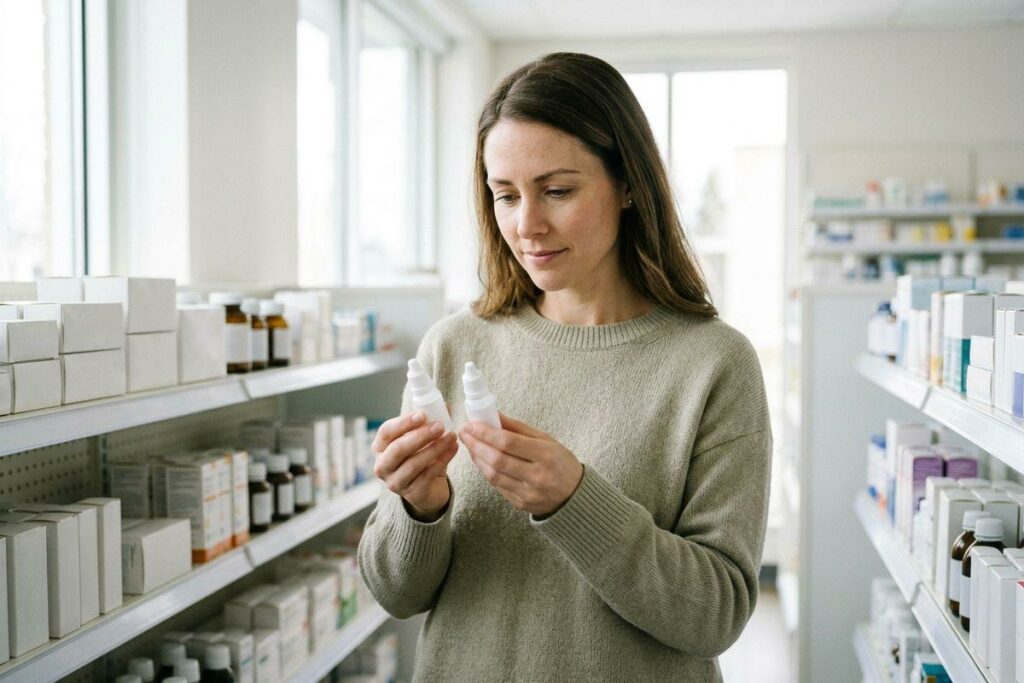
You walk into the pharmacy for eye drops and find a whole shelf staring back at you. Some bottles promise moisture, others promise redness relief, and some come in tiny single-use vials. Our team at Total Focus Optometry hears from many families who feel unsure where to start.
The right eye drop for you depends on why your eyes feel dry, how often you need relief, and how sensitive your eyes are. A comprehensive eye exam at our practice can help pinpoint what’s going on, so you can skip the guesswork and find relief that fits your day.
What Are Dry Eyes?
Dry eyes happen when your eyes make too few tears or when your tears dry up too fast.
Symptoms vary from person to person. One person may feel a mild scratch after a long workday, while another notices discomfort from the moment they wake up.
Common Signs of Dry Eyes
Dry eyes can show up in a few different ways, so watch for these signs:
- Stinging, burning, or a gritty feeling, like sand in your eyes.
- Redness or irritation.
- Blurry vision that comes and goes.
- Watery eyes, which can be a surprising dry eye sign.
Everyday Factors Linked to Dry Eyes
Your daily routine and surroundings can play a part in how dry your eyes feel. Common factors include:
- Long hours on screens, contact lens wear, and dry indoor air.
- Wind outdoors, or heating and air conditioning indoors.
- Age, menopause, certain medications, or health conditions.
A cold Edmonton winter with the furnace running all day can leave your eyes feeling parched by dinnertime.
Types of Eye Drops for Dry Eyes
Artificial Tears for Low Tear Production
If your eyes feel dry now and then, artificial tears are a good starting point. These thin, watery drops rewet your eyes quickly.
They work well for mild, occasional dryness, like a scratchy feeling after an afternoon of emails.
You can buy them without a prescription.
Oil-Based Drops for Fast Evaporation
Sometimes your eyes make enough tears, but those tears dry up fast. Oil-based drops help your tears stay on your eyes longer, and they may help if the oil glands that line your eyelids are blocked.
These drops differ from standard artificial tears, so check the label before you buy.
Gels and Ointments for Nighttime Relief
Waking up with eyes that feel like sandpaper is a rough start to the day. Gels and ointments have thicker formulas that stay on your eyes longer, which can help with dryness you notice in the morning.
They can blur your vision for a short time, so apply them right before bed to keep that blur out of your way.
Preservative vs. Preservative-Free Eye Drops
When Drops with Preservatives Work Well
If you use drops once or twice a day, drops with preservatives are usually fine. Check the expiry date on any bottle that’s been sitting in your bathroom cabinet for a while.
When to Choose Preservative-Free Drops
If you use drops more than 4 times a day, preservative-free drops are a gentler option. They’re also a kind choice for sensitive eyes.
Many come in single-use vials you can tuck into a purse, backpack, or desk drawer.
Prescription Eye Drops
When Over-the-Counter Drops Aren’t Enough
Over-the-counter drops help many people, but some find their dryness keeps returning. Signs it may be time for a different approach include:
- Your symptoms keep coming back or get worse.
- You use drops every day, and your eyes still feel uncomfortable.
Restasis and Other Prescription Options
Restasis is a prescription eye drop for ongoing dry eyes. It may help when inflammation plays a role in your dry eyes.
Your eye doctor can assess your eyes and talk with you about whether Restasis or another prescription drop suits you.
In-Office Dry Eye Care
Drops are one part of the picture. In-office options like intense pulsed light (IPL) therapy can work alongside drops as part of your care plan.
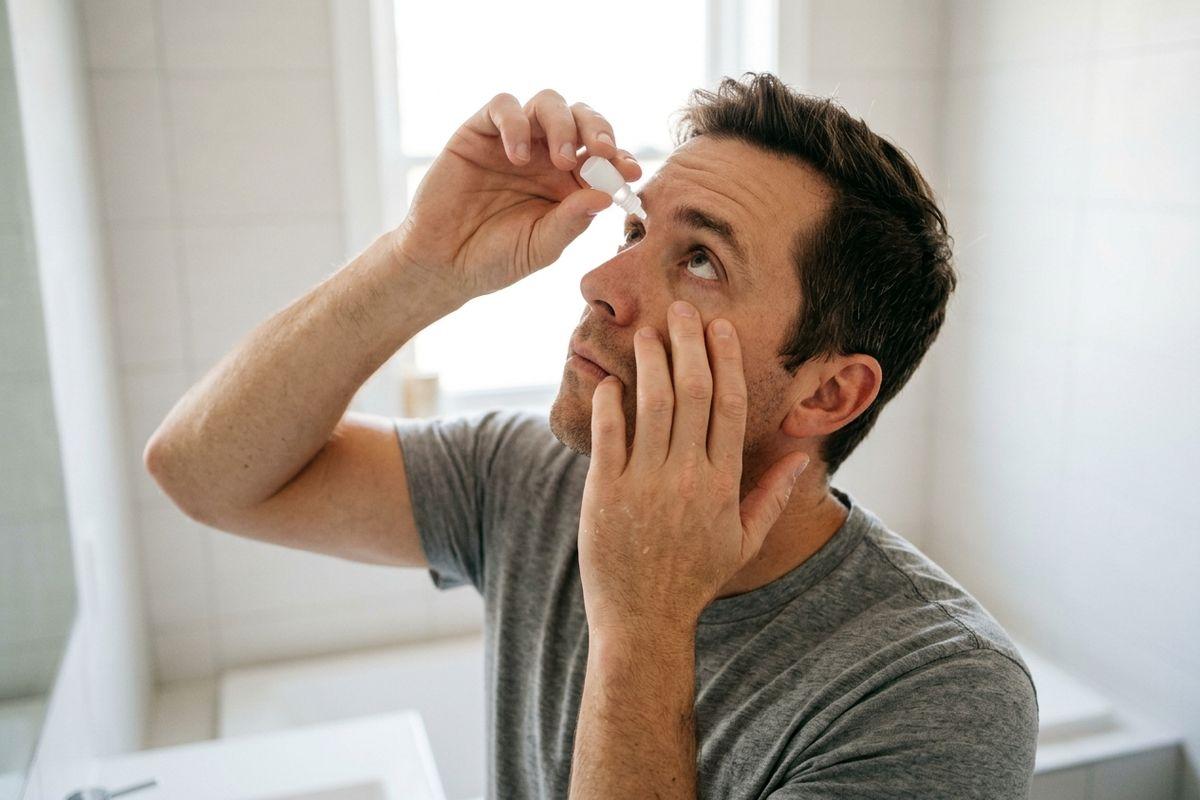
Tips for Safe Use
A few small habits can help keep your drops clean and your eyes comfortable. Try these steps:
- Wash your hands before each use.
- Keep the dropper tip away from your eyes, fingers, and other surfaces.
- Keep your drops for yourself, even at home with family.
Drops to Skip for Dry Eyes
Redness relief drops don’t treat dryness. Frequent use can also bring redness back over time.
If you wear contact lenses, check the label before using any drop to confirm it’s safe with your lenses.
When to Book a Visit
Some eye symptoms need prompt attention. Book a visit if you notice any of these:
- Eye pain.
- Sudden changes in your vision.
- Very red eyes.
- Dryness that affects your daily life or comfort.
An eye doctor in South Edmonton can look at the full picture and personalize your care.
We Can Help
Dry eyes can make reading, driving, and screen time feel like a chore. Our team at Total Focus Optometry can help you find drops and treatments that suit your eyes and your routine. Book an appointment today and take the next step toward more comfortable eyes for you and your family.