

Key Takeaways
- Lazy eye, also called amblyopia, happens when your brain favours your stronger eye.
- Many adults first learn they have lazy eye during a routine eye exam.
- Your brain can still adapt as an adult, though treatment often takes longer than it does for kids.
- Vision therapy, glasses, and contact lenses can all be part of an adult treatment plan.
- Results vary, and your eye doctor can build a plan around your needs.
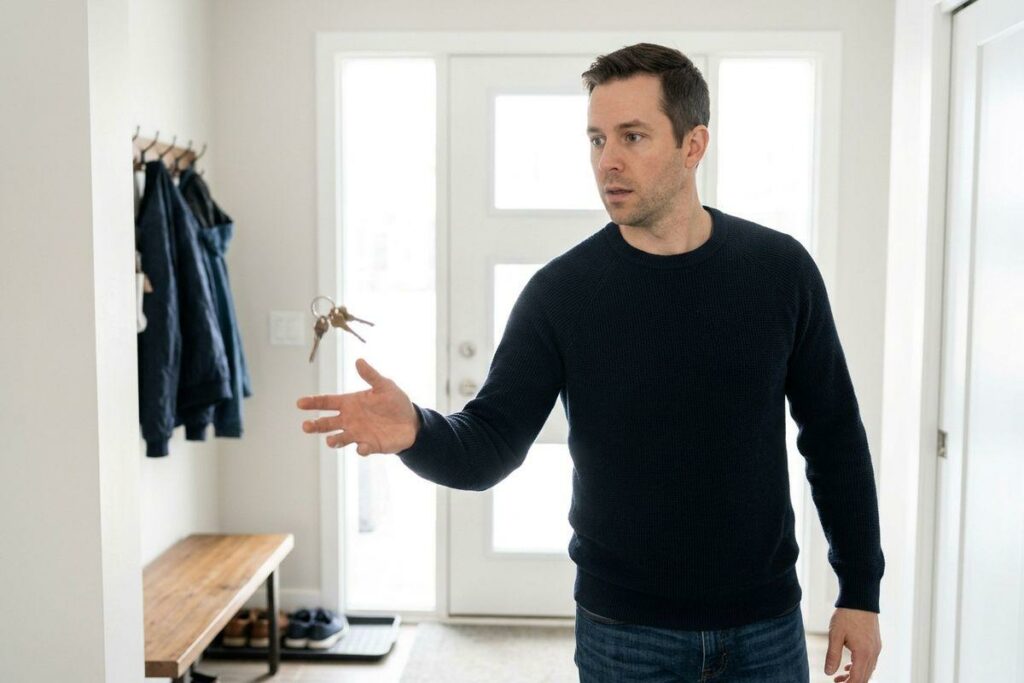
Maybe parking takes you a few extra tries, or a tossed set of keys slips right past your hand. Maybe a recent eye exam showed one eye sees less clearly than the other, even with glasses. If you’ve just learned you have lazy eye, our team at Total Focus Optometry can help you sort through what it means and what comes next.
Yes, lazy eye can be treated in adults, and your brain can still adapt, though treatment often takes longer than it does for kids. Options like the vision therapy offered at the practice can help your eyes learn to team, focus, and track together.
What Is Lazy Eye?
Lazy eye, also called amblyopia, happens when your brain favours your stronger eye.
You might wear the right prescription and still notice the weaker eye looks a little blurry. Glasses alone may not sharpen it.
How Lazy Eye Differs from an Eye Turn
An eye turn, where one eye crosses, is called strabismus. You can often spot it in a mirror or a family photo.
Lazy eye is different. It can happen with or without an eye turn, so your eyes may look straight even when one sees less clearly. In some cases, an eye turn can lead to lazy eye.
What Can Lead to Lazy Eye in Adults
For adults, lazy eye usually carries over from childhood, when vision is still developing. Things linked to lazy eye include:
- A strong prescription for nearsightedness, farsightedness, or astigmatism.
- An eye turn.
- An eye injury in childhood.
- A cataract in early childhood.
Signs of Lazy Eye in Adults
Lazy eye often shows up in small, everyday moments, like pouring coffee and missing the edge of the mug. Here are signs to watch for:
- You have trouble with depth perception or judging distances.
- Your eyes feel strained or tired.
- You get headaches.
- You bump into things or feel clumsy when catching a ball.
Why Lazy Eye Can Go Unnoticed
Unlike an eye turn, lazy eye often has no visible signs, so nobody looking at you can tell.
A child with lazy eye may think uneven vision is normal and never mention it. As a result, many adults first learn about it during an eye exam.
What Happens Without Treatment
Without treatment, vision in your weaker eye may stay reduced, and you may keep facing challenges with 3D vision and depth.
Those challenges can affect driving, work, and sports. Merging onto the Anthony Henday, reading a spreadsheet for hours, or returning a tennis serve can all feel harder than they need to.
How Age Affects Lazy Eye Treatment
Your brain can still adapt as an adult. Treatment often takes longer than it does for kids, so steady effort and patience go a long way.
Results vary from person to person, and your eye doctor can talk you through realistic goals before you begin.

Lazy Eye Treatment Options for Adults
Your eye doctor can suggest one option or a mix, depending on how your eyes see and work together.
Vision Therapy
Vision therapy uses personalized eye exercises guided by your eye doctor. You usually attend weekly in-office sessions and keep going with home activities between visits.
The goal is to help your eyes team, focus, and track together.
Glasses and Contact Lenses
Prescription glasses or contact lenses can help both eyes work together. For the stronger eye, your eye doctor may suggest eye drops or special lenses.
Your plan may combine one or more of these options.
How an Eye Doctor in South Edmonton Can Help
What to Expect at Your Eye Exam
Your optometrist checks how each eye sees and how your eyes work together. From there, our team builds a treatment plan around your needs and goals, whether that means easier reading at work or catching a frisbee with your kids.
Regular Eye Exams for the Whole Family
Early checkups help catch lazy eye in kids, often before they know anything is different. Adults benefit from routine eye exams too, since preventive care gives your eye doctor a clear picture of your vision over time.
If you’ve wondered whether your lazy eye can still improve, book an appointment with an eye doctor in South Edmonton at Total Focus Optometry. Our team can take a closer look, answer your questions, and help you plan your next step.